Inside the classroom: our partnership with Ysgol Y Deri
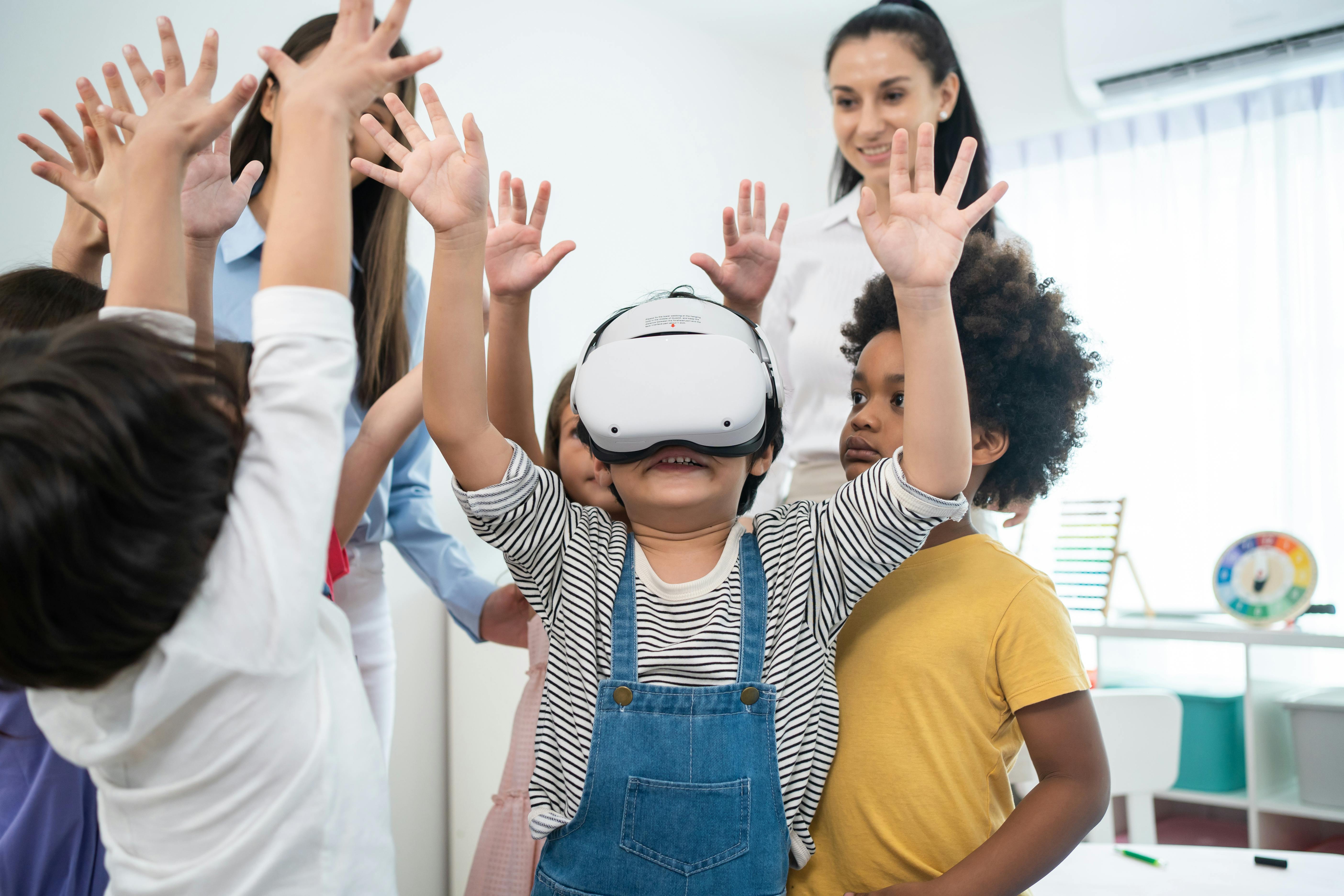
Openality's design doesn't begin with us. It begins with the people who spend their days supporting learners that mainstream technology has consistently overlooked.
That's why, from the start, we sought out a school partner who could do more than give us access - one who could give us understanding. We found it in Ysgol Y Deri in Penarth: the UK's largest specialist SEN school, and a place whose approach to inclusive education has earned national recognition through the BBC documentary series A Special School.
Over six weeks, we conducted more than ten hours of structured interviews with teachers, support workers, and assistive technology specialists across the school. What we heard changed the way we think about almost everything.
What teachers told us
The conversations ranged across technology, curriculum, sensory needs, and the everyday logistics of running a classroom where every student has a fundamentally different profile. But certain themes came back, again and again.
Control is everything. The most consistent frustration with existing VR tools wasn't the hardware or the cost - it was the absence of real-time oversight. When a student is wearing a headset, the teacher is effectively blind. They can't see what the student sees, can't adjust volume or brightness, can't tell whether the experience has become overwhelming or distressing. "Volume being too much," one Science and Technology Lead told us. "Being able to change that for them, having control over what they're seeing - that's a massive thing."
Responsiveness matters for neurodivergent users. One teacher described trying a commercial VR tool with his class and watching students disengage rapidly when the experience didn't respond the way they expected. Existing platforms weren't built with neurodivergent users in mind - and when the design assumes a certain tolerance for latency and unpredictability, the result is frustration and lost engagement.
The potential is real, and the gap is wide. Alongside the frustrations, we heard stories that made the case for what Openality could be. One member of the assistive technology team described a student who spent an hour inside a VR tour of Mecca - a place he would never be able to visit in real life. Another reflected quietly: "For some, VR could mean walking for the first time."
The detail that stayed with us
One observation from these interviews has come to define how we talk about Openality's real-world preparation experiences.
A teacher described returning from a school trip and realising that for several of his students, it had been the first time they had ever been on a train. He grew up near a station. The normalcy of it hadn't occurred to him. These weren't students who lacked curiosity or capability - they simply hadn't had the preparation or support that would make that journey possible.
At the end of a separate interview, a Science and Technology Lead - unprompted, when asked what she most wanted VR to help her students with - named going to the train station and using the ticket machine. Not as a hypothetical. As one of the most urgent unmet needs in her classroom.
Neither teacher was answering a question about transport. They arrived there independently. That's the kind of signal that tells you something is real.
What comes next
These conversations are now embedded in every decision we make. The Openality framework - its sensory controls, its staff visibility tools, its approach to pacing and predictability - reflects what we heard in those rooms. We are not designing for these students from the outside. We are building upward from what the people closest to them have taught us.